Soutaipasu: The Art, History, and Heart Behind the Craft
Soutaipasu is more than just a craft; it’s a vibrant tapestry woven with history, culture, and artistry. Originating from the heart of traditional craftsmanship, it represents a union of skill, creativity, and cultural storytelling. In many ways, soutaipasu is a living testament to how art and tradition can coexist in the modern world, carrying forward legacies while also adapting to contemporary tastes.
What is Soutaipasu?
At its core, soutaipasu is a form of decorative craft that combines intricate designs with meaningful symbolism. Though it often appears as ornamental work, every line, color, and pattern has a story to tell. Whether used in clothing, home décor, or ceremonial items, soutaipasu pieces are instantly recognizable for their delicate precision and vibrant aesthetic.
One of the most remarkable aspects of soutaipasu is its versatility. It can be both functional and decorative, bridging the gap between practical use and artistic expression. From small, personal items like hand-held fans or jewelry to large-scale pieces displayed in homes or galleries, the craft carries an undeniable charm that draws people in.
A Journey Through History
Soutaipasu has deep roots, tracing back centuries to the communities that first embraced it. Initially, it was developed as a way to enhance daily life with beauty and meaning. Early artisans used natural materials sourced from their surroundings, creating patterns inspired by the natural world—flowers, waves, mountains, and animals often served as motifs.
As trade and cultural exchange grew, soutaipasu evolved, absorbing influences from neighboring regions while retaining its distinctive character. This evolution reflects the adaptability of the craft and the creativity of those who practice it. Over time, it became more than just a decorative practice; it turned into a symbol of identity, pride, and cultural continuity.
The Artistry Behind Soutaipasu
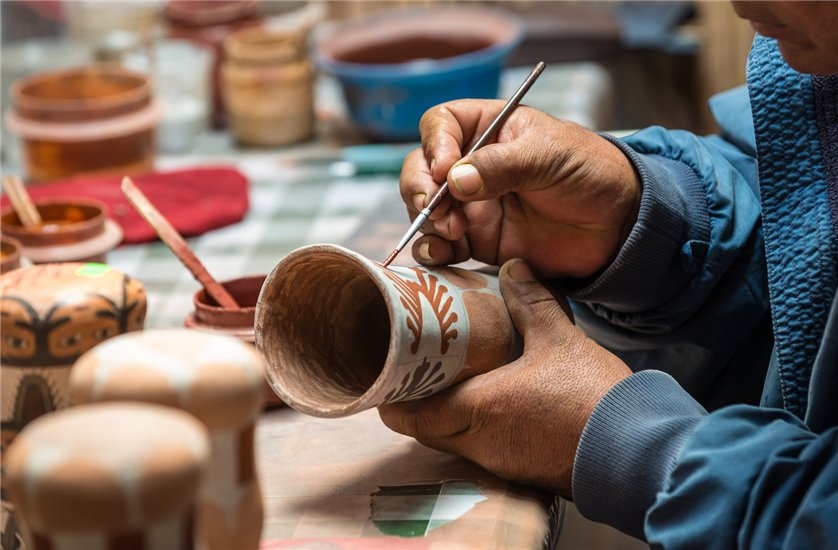
Creating a soutaipasu piece is no small feat. Each work requires patience, precision, and a deep understanding of design principles. Artisans often spend years honing their skills, learning how to balance color, texture, and form. There is an almost meditative quality to the process, as each movement is deliberate and every detail matters.
Traditional techniques involve layering, weaving, or stitching materials together in ways that create depth and dimension. Many artisans also incorporate modern tools or methods, blending old and new approaches to achieve unique results. This fusion of tradition and innovation is what makes soutaipasu continually relevant, even in a world that is rapidly changing.
Cultural Significance
Soutaipasu is not just about aesthetics; it carries deep cultural meaning. In many communities, it is associated with important life events—births, weddings, and festivals often feature soutaipasu designs as symbols of luck, prosperity, and protection. The patterns themselves can convey messages, tell stories, or honor ancestors, making each piece more than mere decoration—it’s a vessel of heritage.
Furthermore, soutaipasu often serves as a bridge between generations. Older artisans pass down knowledge to younger learners, teaching not only the techniques but also the philosophies behind them. In this way, the craft becomes a living archive of cultural wisdom, ensuring that traditions are preserved and celebrated.
Materials and Techniques
One of the defining features of soutaipasu is the care given to materials. Traditional pieces might use silk, cotton, or paper, while contemporary variations could include synthetic fibers or metallic threads. The choice of material affects not only the look of the finished piece but also its feel and durability.
Techniques vary widely, depending on the region, the intended use, and the artisan’s personal style. Common methods include layering, folding, weaving, embroidery, and dyeing. Each technique brings its own challenges and opportunities, allowing artisans to experiment while maintaining the integrity of the craft.
Modern Interpretations
While rooted in tradition, soutaipasu has found its place in modern design and fashion. Contemporary artists and designers draw inspiration from the craft, incorporating its motifs and techniques into clothing lines, accessories, and even home décor. This modern approach keeps the art alive and relevant, attracting a new generation of enthusiasts.
Social media and online platforms have also played a role in spreading awareness. Artisans can now showcase their work to a global audience, receive feedback, and connect with others who share their passion. This digital presence has expanded the reach of soutaipasu, allowing it to evolve while still honoring its origins.
Why Soutaipasu Matters Today
In today’s fast-paced world, soutaipasu offers a moment of pause—a chance to appreciate craftsmanship, patience, and storytelling. It reminds us of the importance of preserving cultural heritage, even as we embrace innovation. Each piece invites us to slow down, observe, and engage with the artistry and meaning embedded within.
Moreover, soutaipasu supports communities. Artisans often rely on the craft as a source of income and cultural pride. By valuing and purchasing these works, we contribute to sustaining local economies and nurturing creativity for future generations.
Getting Involved: Experiencing Soutaipasu
For those interested in exploring soutaipasu, there are many ways to engage. Workshops and classes allow hands-on experience, giving participants a deeper appreciation of the skill and patience involved. Visiting local artisans or cultural centers can also provide insight into the history and context behind the craft.
Even if you don’t create soutaipasu yourself, simply incorporating pieces into your life—through clothing, accessories, or décor—can be a way of celebrating and preserving this unique art form. Each item carries not only beauty but also the story and spirit of the artisans who made it.
The Future of Soutaipasu
Looking ahead, the future of soutaipasu seems bright. As more people recognize the value of cultural craftsmanship and sustainable artistry, interest in traditional crafts like soutaipasu is likely to grow. By blending traditional techniques with modern design, artisans can continue to innovate while staying true to the roots of their craft.
Education will also play a key role. By teaching young people about soutaipasu—its history, techniques, and significance—we ensure that this art form continues to thrive. Communities that embrace both preservation and innovation can keep soutaipasu alive for generations to come.
Conclusion
Soutaipasu is not just an art form—it’s a celebration of culture, history, and human creativity. Each piece tells a story, reflects the skill of its maker, and connects us to a rich tapestry of tradition. Whether you are an artisan, a collector, or simply someone who appreciates beauty, soutaipasu offers a window into a world where art and heritage intertwine.
By engaging with soutaipasu, we honor the past, support the present, and help shape the future of this incredible craft. It is a reminder that even in our modern, digital world, there is room for patience, skill, and the timeless beauty of human creativity.